

5 photos from this story
Epava SS Thistlegorm este unul dintre cele mai faimoase locuri de scufundare din lume, situată în Marea Roșie, în apropierea coastei Egiptului. Această navă a marinei comerciale britanice s-a scufundat în 1941, după ce a fost bombardată de avioane germane în timpul celui de-Al Doilea Război Mondial. Epava este acum un recif artificial și găzduiește o varietate de viață marină, ceea ce o face un loc popular atât pentru scafandri, cât și pentru istorici.
Istoria epavei SS Thistlegorm
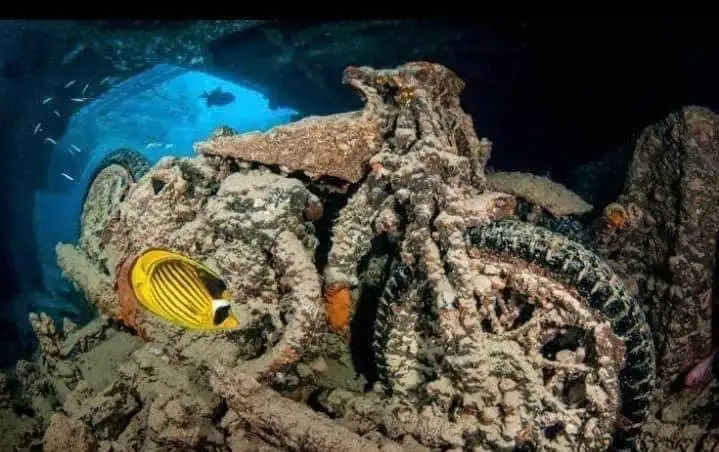
Epava SS Thistlegorm, situată pe coasta de vest a Peninsulei Sinai și la doar 40 km de Sharm El Sheikh, este cel mai cunoscut și popular loc de scufundare la o epavă din Marea Roșie. Este perfect pentru scafandrii începători și avansați care caută o aventură palpitantă. Acest cargobot al armatei britanice a fost lansat în aprilie 1940 și s-a scufundat 18 luni mai târziu, în timpul celui de-Al Doilea Război Mondial, după ce a fost încărcat cu provizii de război, inclusiv tancuri, avioane, vehicule blindate, Jeep-uri și camioane Bedford.
În ciuda faptului că era deținut și operat privat, SS Thistlegorm era echipat cu un tun antiaerian de 4" și o mitralieră de calibru mare pentru serviciul de război. Locul final de odihnă al navei se află la 30 m adâncime, pe fundul nisipos al mării, unde zace în poziție verticală, cu secțiunea pupei separată de corpul principal cu 20 m.
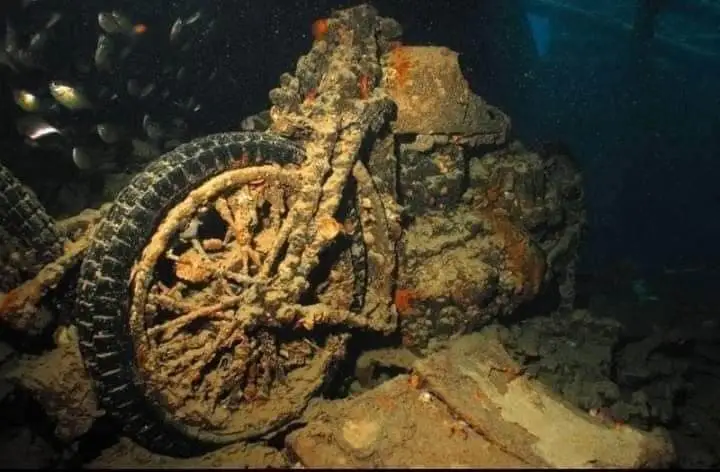
Jacques Cousteau a redescoperit epava în 1956, iar de atunci aceasta a devenit cea mai căutată epavă de scufundare din lume. Se crede că Thistlegorm este cel mai frecvent vizitat loc de scufundare la nivel global, și este ușor de înțeles de ce. Calele conțin relicve din cel de-Al Doilea Război Mondial, cum ar fi motociclete BSA, automobile Morris, camioane Bedford, remorci, mașini blindate, puști Lee Enfield, bombe, lăzi de muniție, grenade, mine antitanc, piese de schimb pentru tancuri și avioane și chiar cizme Wellington.
Epava are 125 m lungime și sunt necesare două zile de scufundare pentru a vă orienta în imensitatea sitului. Scafandrii pot explora secțiunea prova coborând pe zona punții principale la 15 m și intrând în Cala nr.1 printr-o intrare pătrată proeminentă de pe podea, în apropierea lanțurilor ancorei principale. Calele au două niveluri și este posibil să înotați prin epavă din Cala 1 până la 3, folosind ușile interne de legătură, la o adâncime maximă de 25 m.
La mijlocul navei este locul unde puteți vedea întreaga forță a devastării care a avut loc. Cocă a fost desfăcută de explozii, dezvăluind cutii mari de obuze de muniție și artilerie aflate printre resturile mototolite ale SS Thistlegorm. Aici puteți vedea, de asemenea, mulți pești-leu, iar bancuri de pești-cu-buze-groase cu pete negre se adăpostesc de curenți.
Spre pupa, două mitraliere pe turele atârnă precar peste partea babord, unde pupa s-a înclinat. Elicea mare a navei este ușor de identificat odată ce înotați în jurul părții din spate a navei, la 32 m. Pe măsură ce vă întoarceți în sus și peste partea de sus a Thistlegorm, apropiindu-vă de sfârșitul scufundării, veți găsi o scenă marină plină de viață. Trevally cu pete portocalii și Heber vânează bancuri de fuzilieri, bancuri mari de pești-liliac urmăresc scafandrii peste tot, pești-crocodil zac ascunși pe podeaua punții, iar una sau două țestoase-șoim trec pe lângă în căutare de hrană.
Cel mai bine este să vă scufundați la epavă dis-de-dimineață de pe un liveaboard, înainte ca ambarcațiunile zilnice să sosească și să transforme situl într-un loc aglomerat de scafandri. SS Thistlegorm rămâne cea mai importantă atracție de scufundare din Marea Roșie și Sharm El Sheikh, atrăgând atât de mulți scafandri zilnic încât pungi de aer sunt prinse de tavanele unora dintre cale. Nu ratați ocazia de a explora această epavă istorică și de a experimenta fiorul scufundării într-un muzeu viu.
Scufundări la epava SS Thistlegorm
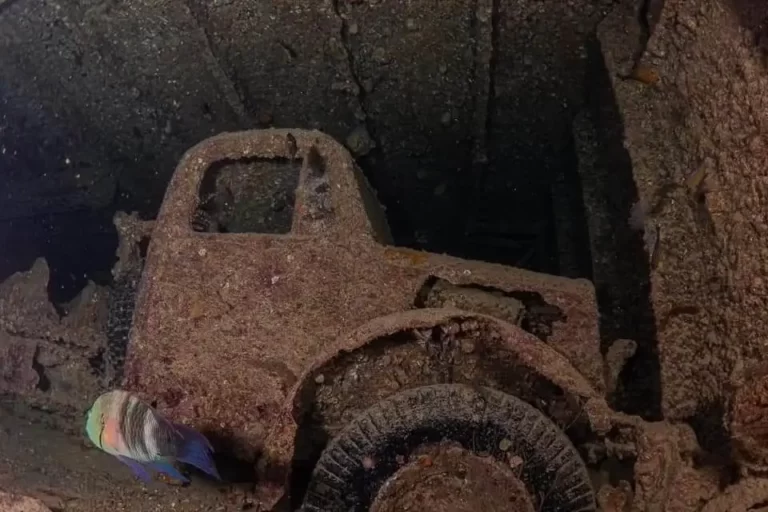
Epava SS Thistlegorm este de neratat pentru orice scafandru experimentat care caută o aventură. Epava se află la o adâncime de 30 de metri și este accesibilă cu barca din orașul de coastă Sharm El Sheikh. Scafandrii ar trebui să se simtă confortabil cu scufundările adânci și să aibă certificarea pentru scufundări la epave.
Odată ajunși la sit, scafandrii pot explora epava, care este încă relativ intactă, cu încărcătura sa de camioane, motociclete și chiar locomotive aflate în cală. Situl oferă o oportunitate unică de a experimenta o bucată de istorie și de a vă apropia de epava unei nave din cel de-Al Doilea Război Mondial.
Viața marină la epava SS Thistlegorm
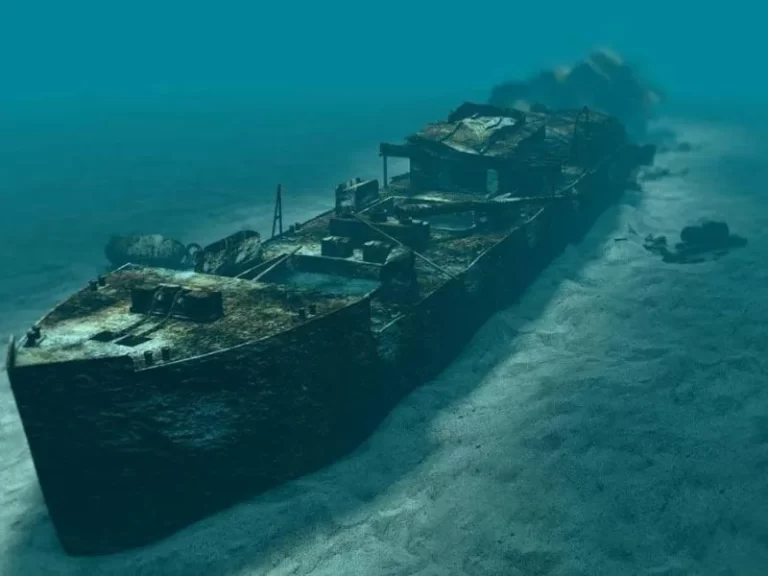
De-a lungul anilor, epava SS Thistlegorm a devenit un recif artificial care găzduiește o viață marină diversă. Bancuri de pești, inclusiv barracuda, luțani și bibani de mare, pot fi văzute înotând în și în jurul epavei. Scafandrii pot zări, de asemenea, murene, pești-leu și chiar țestoase de mare.
Excursii cu liveaboard la epava SS Thistlegorm
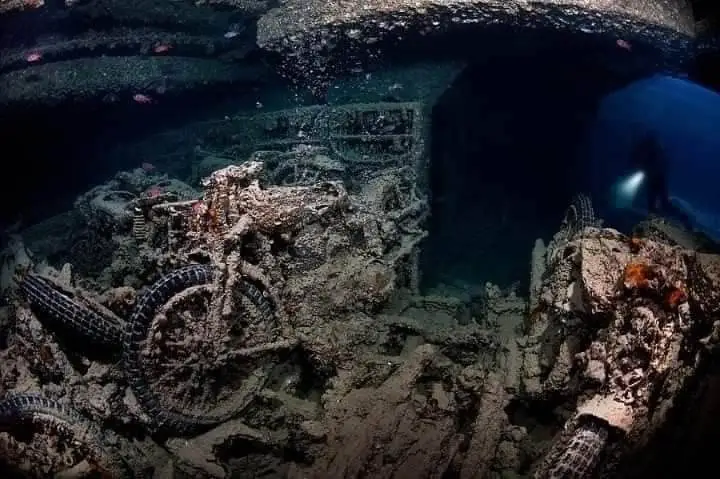
Excursiile cu liveaboard la epava SS Thistlegorm sunt populare pentru scafandrii care doresc să exploreze situl mai în detaliu. Aceste excursii includ de obicei mai multe scufundări pe parcursul câtorva zile, permițând scafandrilor să experimenteze zona la diferite ore ale zilei și să exploreze alte părți ale epavei.
Concluzie
Epava SS Thistlegorm este un loc de scufundare unic și palpitant care oferă o fereastră spre istorie și asigură un cămin pentru o varietate de viață marină. Este de neratat pentru scafandrii experimentați care caută o aventură și o șansă de a explora o bucată din istoria celui de-Al Doilea Război Mondial. Cu excursii cu liveaboard disponibile, este mai ușor ca niciodată să planificați o excursie și să experimentați chiar voi epava SS Thistlegorm.
Unde se află epava Thistlegorm?
SS Thistlegorm este situată în nordul Mării Roșii, în apropierea gurii Golfului Suez. Cel mai apropiat punct de uscat se află la 9 kilometri spre nord-estul Thistlegorm. Totuși, cea mai apropiată zonă dezvoltată (Sharm el Sheikh) se află la o distanță de 40 de kilometri în jurul peninsulei Rezervației Naturale Ras Mohamed.
Întrebări frecvente despre epava SS Thistlegorm
Întrebări frecvente
Poate oricine să se scufunde la epava SS Thistlegorm și ce certificare este necesară?
Au nevoie scafandrii de o lanternă când se scufundă la epava SS Thistlegorm?
Ce este epava SS Thistlegorm și ce mă pot aștepta să văd?
Câte scufundări pot face la epava Thistlegorm și se recomandă să mă scufund cu un ghid?
Care este cel mai bun moment pentru a vă scufunda la epava SS Thistlegorm?
Cum ajung la epava SS Thistlegorm?
De ce echipament de scufundare am nevoie pentru scufundări la epava SS Thistlegorm?
Cât de adâncă este epava SS Thistlegorm și cum este vizibilitatea?
Care sunt procedurile de siguranță pentru scufundări la epava SS Thistlegorm?
Pot face fotografii sau filmări la epava SS Thistlegorm?
Este epava SS Thistlegorm potrivită pentru scufundări tehnice?
Cum este viața marină la epava SS Thistlegorm?
Epava SS Thistlegorm
Red Sea, Egypt